Extreme heat is unusually hot and/or humid weather at a specific place and time. In San Joaquin County, extreme heat is occurring more often, lasting longer, and reaching higher temperatures. This increases risks to individual and community health.
Learn how to stay safe during extreme heat in San Joaquin County. Know the signs of heat illness and find places to cool off.
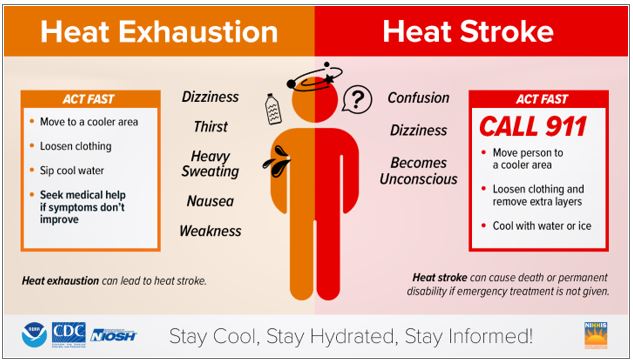
Heat illness can happen quickly. Learn how to prevent heat illness, recognize warning signs such as cramps, dizziness, nausea, excessive sweating, confusion, or fainting, and know when to call 911.
For more information-
- Know the Symptoms of Heat- Related Illnesses
- Tips for Preventing Heat- Related Illnesses
- Tips for Treating Heat- Related Illnesses
How to Stay Cool at Home, Even Without Air Conditioning
Simple ways to keep your home and body cooler during hot days, even when air conditioning use is limited or unavailable. Learn how to block heat, cool your body, and plan before temperature rises. Don’t forget about your pets and checking in on family, friends, and neighbors!
When it is hot outside, keep your home as cool as you can.
- Open your windows at night to let cool air inside.
- Close your windows, blinds, and curtains during the day to keep the sun out.
- Use awnings or outside shades if you have them. They help keep your home cooler.
- Add window film to help block the sun's heat while still letting in light.
- Make sure your doors and windows close tightly. This helps keep hot air out and cool air in.
- Keep south- and west-facing windows covered during the hottest part of the day.
- Use trees, awnings, or shades to block the sun from your home.
- Plant trees and shrubs to keep your home cooler.
- Light-colored roofs and walls can help keep your home cooler.
- Turn off lights and electronics when you are not using them. They can make your home warmer.
- Use the oven and stove less. Try making meals that do not need cooking.
- Use a fan when it is below 104°F. If it is hotter than 104°F, use air conditioning or go to a cool place if you can.
- If you have air conditioning, set it to 81°F and use a fan to help cool the room.
- If your home is too hot, spend time in the shade or visit a cool place, like a library, community center, mall, movie theater or a local cooling center. Text 211 for the cooling center nearest to you!
Pets can get sick from heat, just like people. Heat stroke can cause serious harm or death. Learn the signs and act fast.
Some pets get too hot more easily, including:
- Pets wearing a muzzle
- Older or overweight pets
- Large pets
- Pets with long or thick fur
- Flat-faced pets, such as bulldogs, pugs, boxers, Boston terriers, and Persian cats
- Pets with heart, lung, or breathing problems
How to Keep Your Pet Cool:
- Never leave a pet in a parked car, even with the windows open.
- Give your pet fresh, cool water every day.
- Bring pets inside during extreme heat.
- Exercise outside with pets early in the morning or later in the evening.
- Bring water and take breaks in the shade during walks.
- Make sure outdoor pets have shade all day.
- Walk pets on grass when the ground is hot.
- Keep older, overweight, and flat-faced pets in air conditioning when possible.
- Brush your pet often, but do not shave off all their fur. Fur can help protect their skin from the sun.
Check the Ground
- Hot pavement can burn your pet’s paws.
- Place your hand on the ground for a few seconds. If it is too hot for your hand, it is too hot for your pet’s paws.
Signs of Heat Stroke in Pets
- Fast or heavy panting
- Trouble breathing
- Weakness or falling down
- Heavy drooling
- Dry, sticky, pale, or red gums
- Vomiting or diarrhea
- Acting very tired, dizzy, or confused
- Bruising or bleeding
- Open-mouth breathing in cats is not normal. It may mean the cat is very hot, stressed, or sick.
What to Do
Heat stroke is an emergency.
1. Call your veterinarian or an emergency animal clinic right away.
2. Move your pet into the shade or a cool room.
3. Wet their head, ears, paws, and belly with cool or room-temperature water.
4. Use a fan or air conditioning to help cool them.
5. Do not use ice or very cold water.
6. Take your pet to a veterinarian as soon as possible.
More information here
Keeping Livestock Safe in Extreme Heat
Hot weather can make farm animals sick. It can also make it harder for them to eat, grow, and stay healthy. Plan ahead to help protect your animals during hot days. Check the weather, make sure they have plenty of water and shade, and watch for signs that they are getting too hot.
Make sure they have
- Easy access to water and feed
- Shaded areas to rest in
Animals become more stressed on high heat days. It’s best to avoid transporting them. If you have to transport your animals during hot weather:
- Give them water often.
- Plan the best route before you leave.
- Stop to cool them down with water if needed.
- Haul fewer animals so they have more room and better airflow.
Information for Livestock in extreme heat here
When your home is too hot, or the power goes out, visit a cooling center or other air-conditioned public space. Plan to avoid peak heat, stay hydrated by drinking water every 15-20 minutes preferably with electrolytes mixed in, and find shade or cooling spaces before you leave home.
For Cool Spaces around the County
- Call 2-1-1
- Text your ZIP code to 898211 or;
- Search online at SJ Ready to find cooling locations near you
Other free spaces
Malls in SJC
Movie theaters in SJC
Bus Rides
- Bus rides to cooling centers
- 211 San Joaquin County Cooling/Warming Zones
- San Joaquin RTD Trip Planner
Splash Pads in SJC
Lakes
Rivers
- Dos Reis Regional Park
- Mossdale Crossing Regional Park
- Woodbridge Wilderness Area
- Stillman Magee Regional Park
Extreme heat can affect anyone, but some people are more likely to get sick, including:
Get heat alerts, check the forecast, and make a plan for power outages during extreme heat. Prepare ahead so you know how to stay cool, charge devices, protect medications, and find help if your home gets too hot. If you do not use social media or have a smart phone, it is best to check the weather on your local news channels or radio stations daily.
- Sign up for Heat Alerts here on SJReady.org
- Check the Daily Forecast here at weather.gov
- Find tips to prepare for power outages at Ready.gov
Outdoor workers and people working in hot indoor spaces need water, rest, shade, and training to prevent heat illness. Learn about heat safety steps and worker protections during hot weather.
For the General Public: https://pnash.deohs.washington.edu/heat-illness-toolkit
For Employers: Protect Your Workers from Outdoor Heat- CDPH
For Pregnancy: Heat, hazards and healthy pregnancies
For
For Healthcare Workers: https://www.migrantclinician.org/explore-environmental-and-worker-health/heat.html
Help may be available for eligible households to lower energy bills, improve home energy efficiency, or support people who rely on electricity for medical needs.
- Access 211 to see if you meet the criteria for electricity bill help
- Human Services Agency Energy Assistance
- Human Services Agency has weatherization programs
- Little Manila has a weatherization program for those living in South Stockton
- PG&E assistance programs for those with access and functional needs:
Some neighborhoods are hotter because they have more pavement, fewer trees, and less shade. Learning how trees, shade, cool surfaces, and community planning can help reduce heat where people live, work, and gather.
6 Smart Ways US Communities Beat the Heat
- Support efforts to increase the number of parks and green space in your neighborhood.
- Support policies and programs that protect our communities from heat impacts, including:
- Public transportation and ways (like sidewalks, crosswalks, and bike lanes) that make it easier for people to walk and bike.
- Tree planting, increasing green space, adopting cool roofs and cool and permeable pavement.
- Recycling and composting.
- Electric vehicles.
- Renewable energy and energy efficiency programs.
- Farmers markets and community gardens.